Systems and Services
Water Treatment
Water treatment is a process of making water suitable for its application or returning to its natural state.It shall remove existing contaminants in the water or so reduce their concentration that their water becomes fit for its desired end-use.
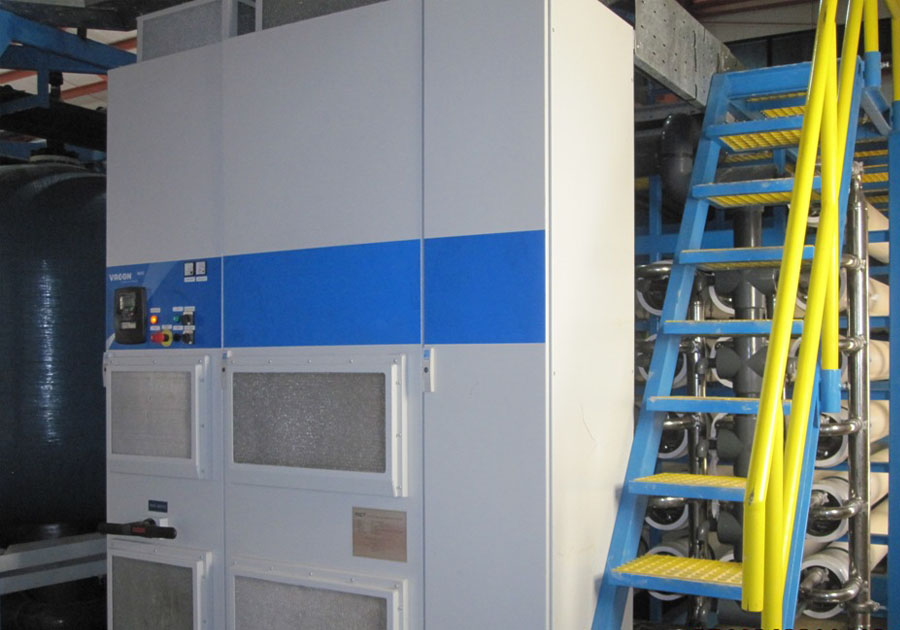
Water is a renewable resource. All water treatments involve the removal of solids, bacteria, algae, plants, inorganic compounds, and organic compounds. Removal of solids is usually done by filtration and sediment.
The processes involved in treating water for drinking purposes to provide a safe source of water supply may be solids separation using physical processes such as settling and filtration, and chemical processes such as disinfection and coagulation.
We moyaa engineering supply the following water treatment systems as listed below:
Waste Water Treatment
Wastewater is defined as water which is of no further immediate value to the purpose for which it was used or in the pursuit of which it was produced because of its quality, quantity or time of occurrence. However, wastewater from one user can be a potential supply to a user elsewhere.
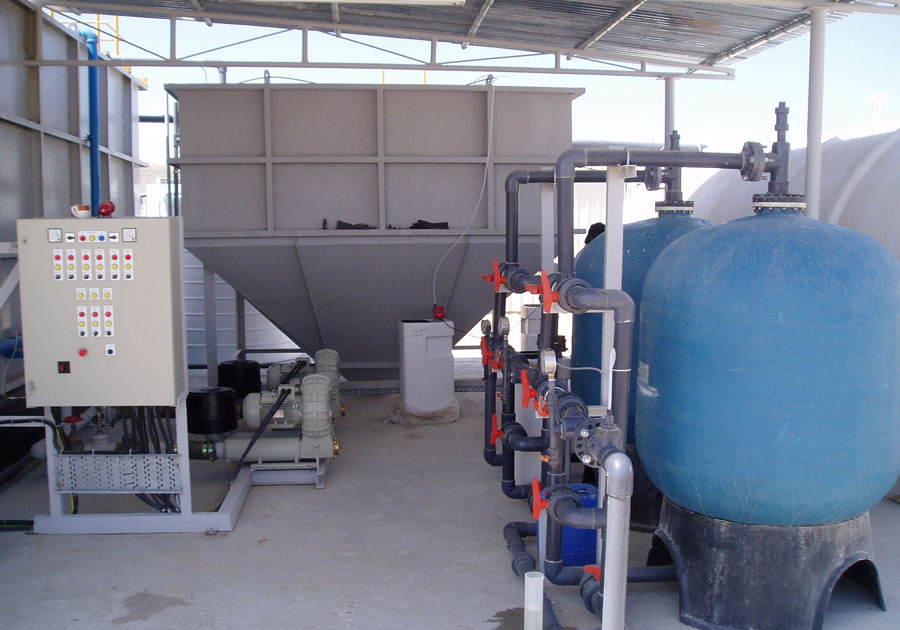
Waste water treatment is the process to convert waste water generated from house holds and industries into effluent suitable for discharge into environment and or reuse. It involves science, engineering, business, and art. The treatment may include mechanical, physical, biological, and chemical methods. As with any technology, science is the foundation, and engineering makes sure that the technology works as designed.
We moyaa engineering supply the following waste water treatment systems as listed below:
Sewage & Industrial Effluent Treatment Plants using following Technologies
Recycle and reuse of treated effluents is profitable in the ever deteriorating environment and water scarcity. Ultra filtration, Reverse osmosis and other tertiary treatment processes make this possible for industries keen on resource optimization.
We moyaa engineering supply the following waste water treatment recycling systems as listed below:
Services
Apart from supply we also do the following services as listed below:
Have a project with us? Feel free. Get in Touch